
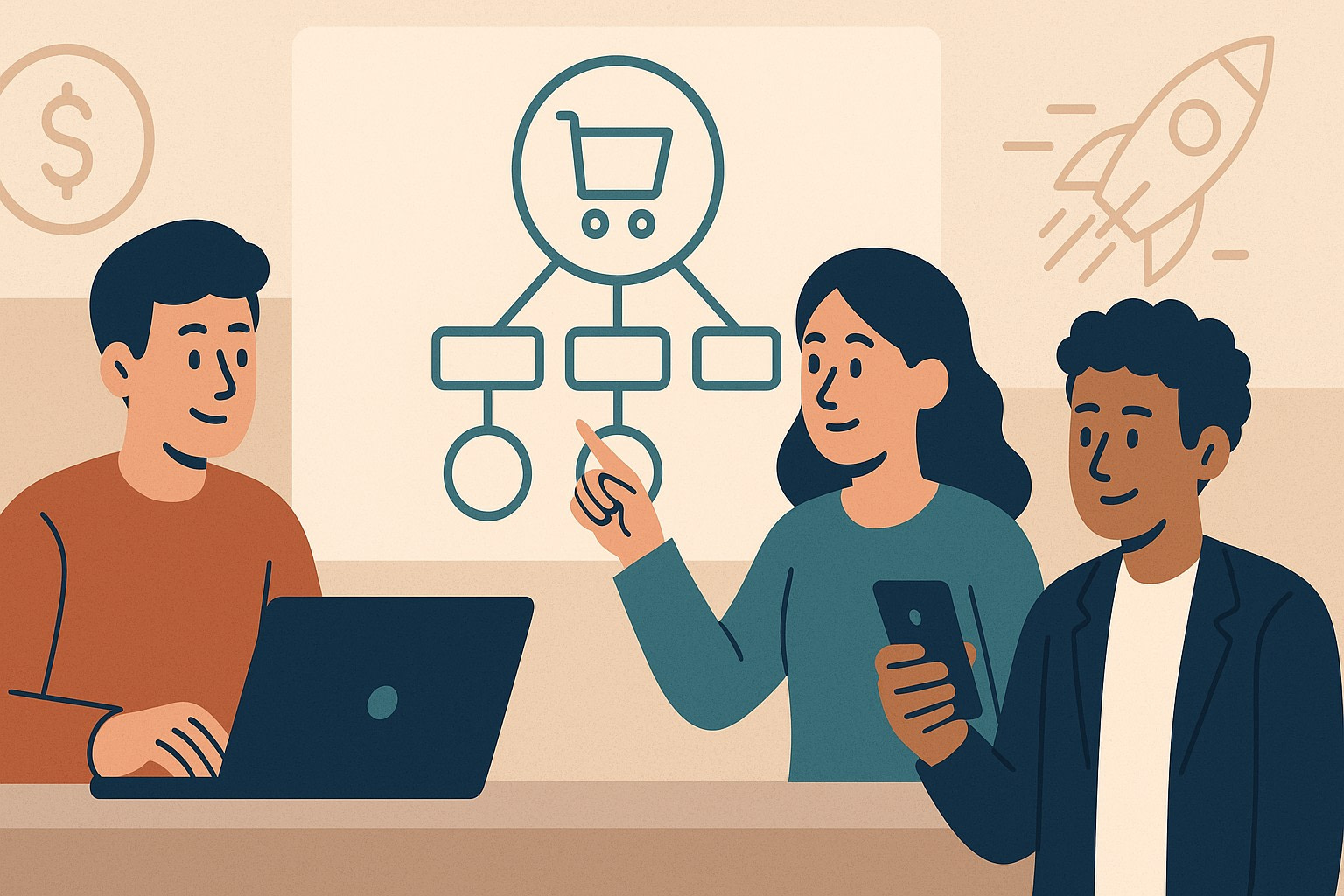
Group buying has moved far beyond its early “coupon era” and has become a powerful model in both consumer and B2B commerce. By pooling demand, shoppers and businesses unlock better prices, access exclusive deals, and streamline procurement. For sellers, group buying opens a low-risk channel to win new customers, improve sales velocity, and optimize inventory turnover.
As digital commerce becomes more competitive and price-sensitive, the model continues to evolve across consumer apps, social shopping platforms, and enterprise procurement networks.
What Is Group Buying?
Group buying (or collective purchasing) is a model where multiple buyers join together to purchase products or services at a discounted rate. Sellers provide a lower price because the combined order increases total volume, reduces customer acquisition costs, or helps clear inventory more efficiently.
Originally popularized by early daily-deal sites, group buying now spans everything from community shopping groups to enterprise-level procurement organizations.
Group Shopping vs Traditional eCommerce
Traditional eCommerce assumes a one-to-one model: a single customer buys a product at a listed price. Group buying websites replace this with a one-to-many model, where:
- buyers unlock a lower price only when a minimum number of participants join the group;
- sellers can forecast demand with more accuracy and ship in batches;
- platforms stimulate viral growth through sharing incentives.
Instead of driving sales through discounting or paid ads, group buying leverages network effects, social proof, and collective purchasing power.
Buying Groups, GPOs, and Other Key Terms
Buying group — an organized collective of buyers who negotiate better pricing directly with suppliers. Common in small business and wholesale environments.
Group Purchasing Organization (GPO) — a formalized organization that aggregates the purchasing volume of many companies to secure lower prices. GPOs operate mainly in B2B sectors such as healthcare, food service, retail, and manufacturing.
Demand aggregation — the process of combining multiple orders into one larger purchase to obtain volume-based discounts.
Deal threshold — the minimum number of buyers required for a group deal to activate.
Social group buying — a model where group deals form organically through social networks, referrals, or community participation.
Read more: Price Matching | What is it, Meaning, How does Price Match work
Types of Group Buying Platforms
Group buying is no longer a single category—it includes consumer-focused deal apps, social commerce ecosystems, and enterprise procurement solutions. Below are the three main types of platforms shaping the model today.
Consumer Group Buying Sites and Apps
Consumer group buying platforms allow everyday shoppers to join limited-time deals and unlock discounts once enough participants join. These platforms typically feature flash sales, timed offers, and incentives for sharing deals with friends.
Key examples include:
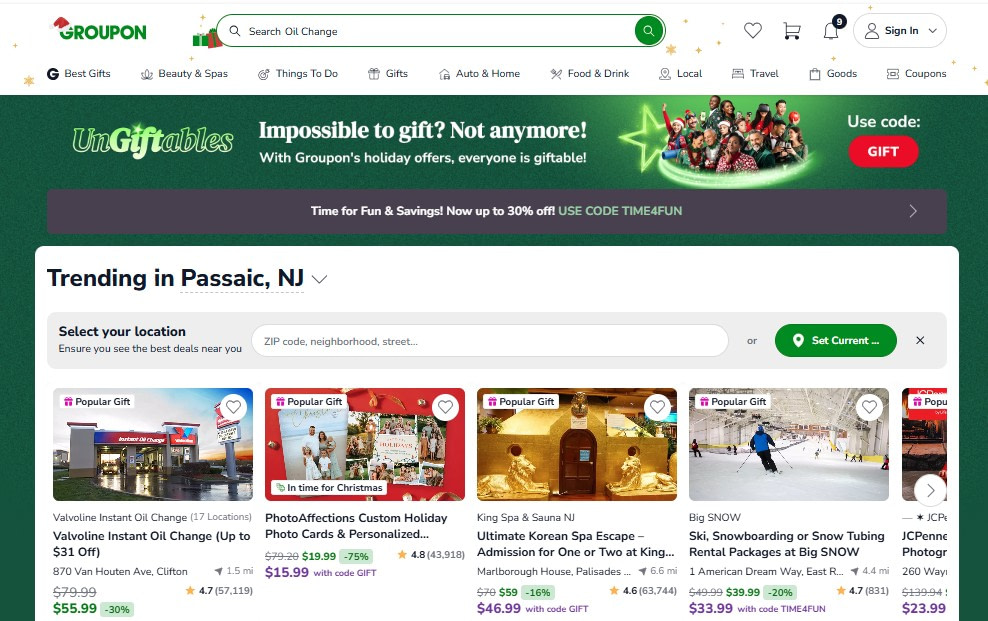
Groupon — one of the original pioneers of daily deals and collective discounts.
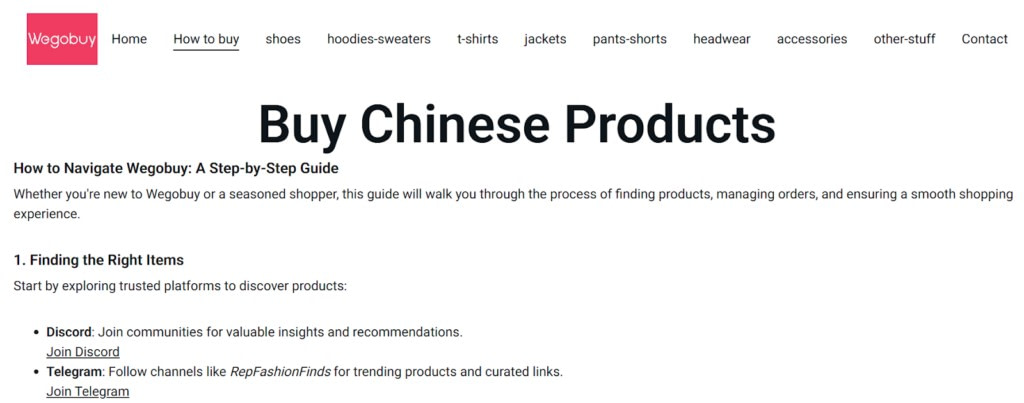
WeGoBuy — an agency-style buying service popular among international shoppers looking for better prices on overseas goods.
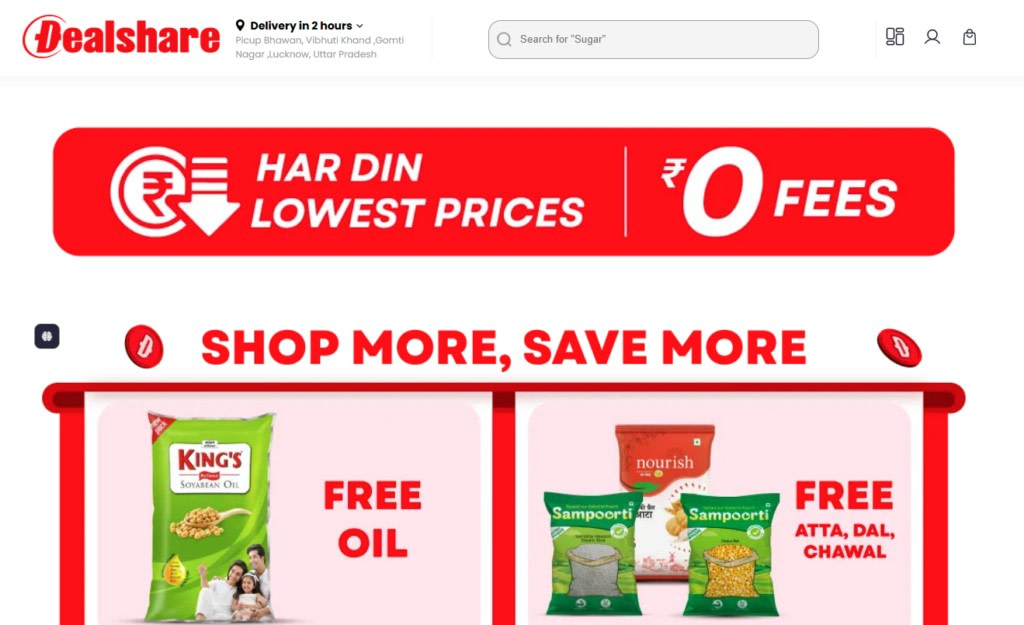
DealShare — an India-based platform built around essential goods and discounts generated by bulk community orders.
Consumer group buying is driven by price sensitivity, viral referrals, and the desire for “smart shopping.”
Social and Community Group Shopping
Social group buying leans heavily on networks, community influence, and gamified shopping experiences. The discount is typically unlocked when a user convinces friends or other community members to join the purchase.
Prominent platforms include:
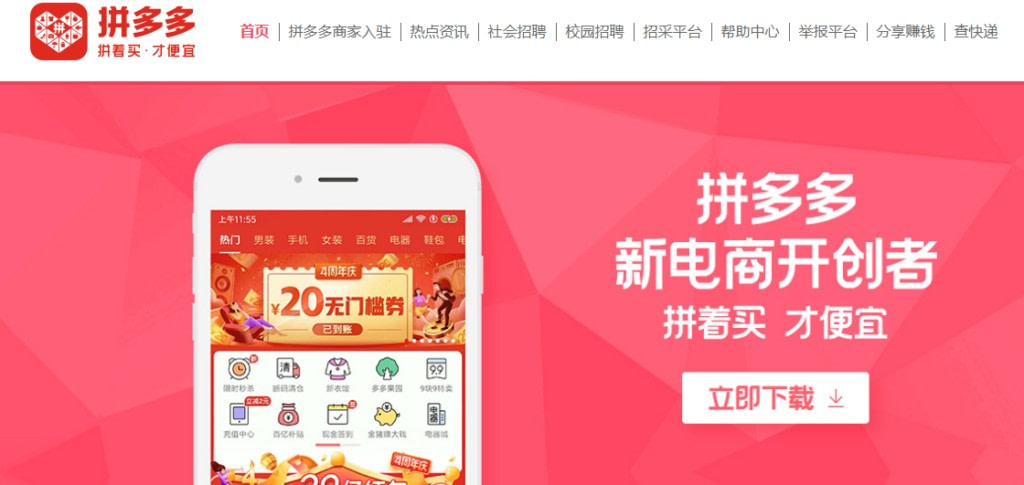
Pinduoduo — the leading social commerce platform, famous for its “team purchase” model.
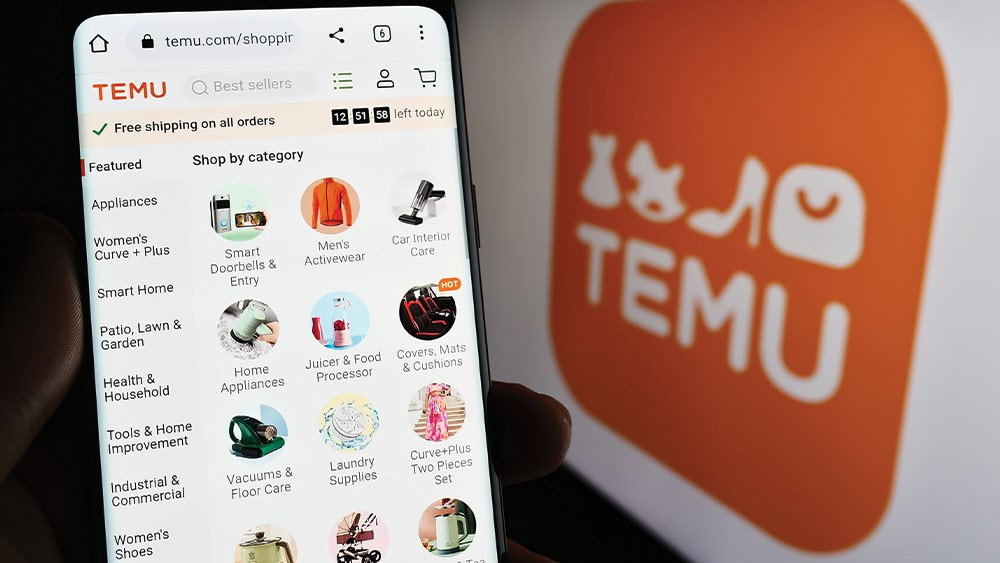
Temu — an international marketplace using Pinduoduo-style viral deal mechanics.
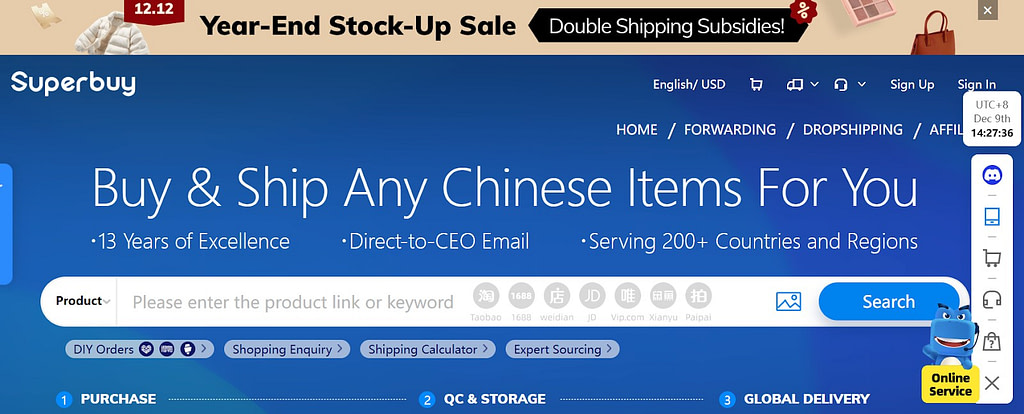
Superbuy — a community-driven purchasing platform tailored for cross-border and niche product groups.
Compared to traditional group buying, social platforms rely on social graphs, interactive shopping, and engagement-driven pricing, making the model both sticky and highly scalable.
B2B Buying Groups and GPO Platforms
In B2B, group buying takes the form of formal procurement networks—buying groups and GPOs—where businesses consolidate orders to reduce operational costs and negotiate better supplier terms.
Leading examples are:

Una — a major U.S. GPO offering pre-negotiated contracts across logistics, supplies, and services.
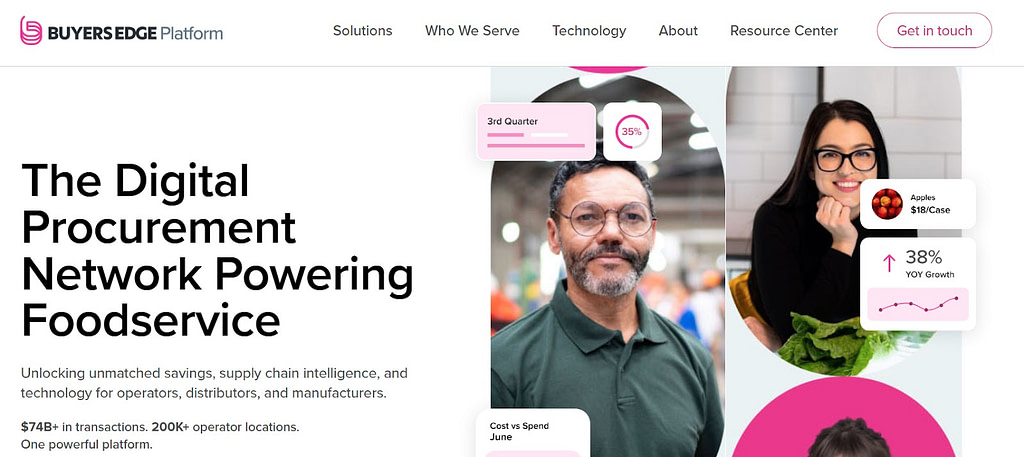
Buyers Edge Platform — a food service procurement ecosystem powered by data and large-scale supplier relationships.

OMNIA Partners — one of the largest GPO networks serving private and public sector organizations with contract pricing advantages.
B2B group buying is less about flash discounts and more about strategic procurement, supply chain efficiency, and large-volume cost reduction.
How Group Buying Platforms Work
Group buying platforms operate on a simple idea: aggregated demand leads to better pricing. Behind this simplicity is a set of coordinated processes — user flows, pricing logic, and automation engines — that enable buyers to form groups and vendors to fulfill orders efficiently.
Typical User Flows on a Group Buying Site
Although each platform has its own mechanics, most group shopping experiences follow similar steps:
- Deal Discovery. A user browses available products or services with potential discounts. Some platforms show both the standard price and the “group price once unlocked.”
- Group Creation or Joining. The user can:
- create a new group purchase and invite others, or
- join an existing group that is close to reaching the required threshold.
- Threshold Activation. Once enough participants join, the deal becomes active.
For example: 20 buyers → 18 joined → 2 more needed to unlock the deal. - Payment and Confirmation. Depending on the model:
- users pay upfront and receive refunds if the deal doesn’t activate, or
- payment is captured only after the group threshold is met.
- Order Fulfillment. The seller ships the product in bulk or processes individual shipments after the deal closes. Smart platforms automate routing, scheduling, and communication.
- Post-Purchase Engagement. Sellers receive updates, share deals with others, and receive loyalty rewards — reinforcing viral growth loops.
This flow makes group buying feel more engaging and dynamic than traditional one-click shopping.
Pricing Rules and Deal Conditions
Group buy sites rely on dynamic pricing, where discounts are tied to demand. Common pricing structures include:
- Tiered Discounts. For example:
- 5 buyers → 5% off
- 20 buyers → 15% off
- 50 buyers → 25% off
- All-or-Nothing Thresholds. A minimum number of buyers is required for the deal to activate at all.
- Time-Limited Deals. A countdown inside the group buying app encourages viral sharing and quick participation.
- Social Referral Discounts. Lower prices when a user successfully invites new participants.
Platforms must clearly define deal rules to avoid confusion and ensure fairness for both buyers and suppliers.
Deal Aggregation Engine
At the core of every group buying platform is a deal aggregation engine — the system that tracks participation, activates deals, and manages fulfillment logic. A modern engine typically includes:
- Real-Time Threshold Tracking. Counts participants, calculates progress toward activation, and updates deal status.
- Pricing Logic. Automatically applies the correct discount tier or deal condition.
- Inventory Sync Across Vendors. When multiple vendors can supply the same product, the system synchronizes stock levels, ensuring deal availability reflects real inventory capacity. This prevents overselling and supports multivendor group buying, where different suppliers contribute to the same pool of inventory.
- Auto-Distribution of Demand to Suppliers. If a deal exceeds the capacity of a single vendor, the platform can distribute the combined order across multiple suppliers. This enables:
- consistent fulfillment even with high-volume deals,
- reduced risk of delivery delays,
- healthier supply chain dynamics.
- Order Consolidation and Routing. Orders can be grouped for logistics efficiency, or split per vendor depending on the model. The aggregation engine is what makes group buying scalable — turning a social shopping mechanic into a reliable commerce system.
Benefits of Group Buying for Buyers and Businesses
Group buying creates value on both sides of the marketplace. For customers, it offers a smarter way to shop. For suppliers, it unlocks predictable volume and operational efficiency.
Cost Savings and Better Deals for Customers
For shoppers, the benefits are straightforward:
- lower prices through shared purchasing power,
- access to exclusive deals unavailable through standard retail channels,
- reduced discovery effort — the platform curates relevant, high-value offers,
- social incentives such as rewards, gamification, and bonus discounts for inviting others.
The emotional appeal is also strong: users feel they are “winning the system” by buying together.
Volume and Margin Gains for Suppliers
For sellers, group buying can improve profitability even with discounted pricing because:
- higher order volumes reduce per-unit logistics and handling costs,
- batch fulfillment increases operational efficiency,
- lower customer acquisition cost (CAC) since shoppers help market the deal,
- predictable demand reduces inventory risk and improves planning,
- faster turnover frees warehouse space and capital.
Suppliers often accept a lower margin per unit because the aggregate margin on a large order is stronger and less risky.
Procurement Efficiency and Risk Reduction for B2B Group Purchasing
In B2B, the benefits expand beyond pricing:
- Small and mid-sized businesses gain enterprise-level negotiating leverage.
- Centralized contracts reduce administrative overhead and time spent sourcing.
- Agreements with multiple suppliers decrease reliance on any single vendor.
- GPOs vet suppliers, maintain compliance, and provide contract transparency — critical in industries like healthcare, food service, or manufacturing.
- Locked-in pricing or volume-based agreements help businesses stabilize financial planning.
For many organizations, joining a buying group or GPO becomes a strategic decision that directly improves operational resilience.
Read more: B2B Procurement Platform: What It Is, How It Works, and Why Companies Need It
Core Features of a Group Buying Website
A modern group buying platform requires a combination of social commerce mechanics, marketplace infrastructure, and B2B procurement tools. To operate at scale, the system must manage users, vendors, catalogs, pricing rules, fulfillment, and financial flows in a unified interface.
Managing Buying Groups, Vendors, and Catalogs
A core capability of group buying platforms is the ability to structure and control how groups form, how vendors participate, and how products are published.
Key functionality includes:
1. Buying Group Management
- Creating public or private groups
- Setting minimum thresholds and deal conditions
- Tracking real-time group progress
- Managing user roles (group owner, participants, moderators)
2. Vendor and Supplier Management
- Multi-vendor onboarding with approval workflows
- Setting vendor-specific pricing or shared group price tiers
- Inventory sync across multiple suppliers
- Automated supplier assignment when a deal activates
3. Catalog and Deal Management
- Product listings with dynamic group price tiers
- Time-limited deals, thresholds, and volume discounts
- Variant-level inventory and availability rules
- Centralized catalog control with vendor overrides
Successful group buying platforms often operate as hybrid systems: part marketplace, part social commerce engine, part procurement tool.
Order Management, Split Payments, and Invoicing
Once a deal activates, the platform must turn group participation into a smooth order management and payment workflow.
Order Management
- Consolidation of group orders into a single supplier order
- Or distribution across multiple suppliers based on availability
- Automated fulfillment routing
- Shipment tracking and notifications for all participants
Learn more about Mastering Marketplace Order Management: Lifehacks of Seamless eCommerce Operations
Split Payments
Group buying often requires flexible payment mechanics:
- Pre-authorized payments held until a deal activates
- Split payments between multiple vendors
- Partial invoicing for B2B buyers
- Refund automation if the deal fails to meet its threshold
For multi-supplier deals, split payments ensure each vendor receives their share without manual reconciliation.
Learn more about split payments from: Stripe Connect: Your Gateway to Effortless Payments
Invoicing
- Automated invoice generation per participant
- Consolidated invoices for B2B clients
- Tax handling for multi-region buyers
- Vendor-specific commissions or fees applied automatically
This layer transforms group buying from a basic deal site into a full-fledged commerce platform capable of handling complex transactions.
Analytics, Reporting, and Admin Tools
To remain competitive, a group buying platform must provide transparent, actionable analytics for both administrators and vendors.
Platform Analytics
- Deal performance metrics
- Activation rates and average threshold times
- Best-selling categories and price tiers
- Drop-off points in group formation
Vendor Analytics
- Supplier-level sales report
- Forecasting based on recurring demand
- Inventory depletion alerts
- Fulfillment efficiency and SLA performance
Administrative Tools
- User and group moderation
- Fraud detection (fake groups, invalid payments, bot traffic)
- Content and catalog approval workflows
- Configurable pricing engines for tiered or dynamic discounts
Strong analytics ensure the platform scales efficiently and supports continuous optimization.
How to Launch Your Own Group Buying Platform
Building a group buying platform requires both strategic planning and the right technology foundation. Whether targeting consumers or B2B buyers, you need a clear business model, reliable vendors, and infrastructure capable of automating deal flows.
Business Model, Niche, and Target Users
Before building the platform, define the core business model:
Key questions to answer:
- Who are you serving?
- Families and local communities?
- Bargain shoppers?
- SMEs seeking better procurement terms?
- Enterprise buyers looking for long-term contracts?
- What niche do you target? Popular verticals include:
- groceries and FMCG,
- electronics and accessories,
- beauty and wellness,
- home improvement,
- food service supply,
- industrial procurement.
- How will you earn money? Common monetization models include:
- commissions on group deals,
- subscription tiers for buyers or vendors,
- listing fees for premium deals,
- procurement contract fees (B2B),
- logistic service margins.
Your model determines what features your platform must support.
Technology Stack and Purchasing Platform Choice
Choosing the right platform is essential to ensure:
- dynamic pricing support,
- multivendor workflows,
- inventory aggregation across suppliers,
- flexible payment routing,
- scalable fulfillment operations.
Your technology options typically include:
- Ready-made marketplace platforms with group-buying add-ons. Good for fast go-to-market and MVPs.
- Open-source eCommerce engines extended for group buying. Ideal for businesses that need custom workflows, supplier integrations, and open code.
- Fully custom development. Suitable for large enterprises with unique procurement models and strict data requirements — but costly and slow.
Read more: Turnkey Solution For Online Store: What is it and How it works
Key selection criteria:
- API flexibility
- Multi-vendor support
- Payment gateway integrations
- Workflow automation
- Scalability (can you go from 1 seller → 50 sellers → 5,000 buyers?)
- Security and compliance
- Hosting control and performance
A good platform should allow you to start small and scale into a complex, multi-supplier ecosystem without replatforming.
Read more: How to Build eCommerce Tech Stack
Legal and Compliance for Group Purchasing
Group buying introduces several regulatory considerations depending on your region and business model:
Compliance areas to evaluate:
1. Consumer Protection Laws
- Transparent deal rules
- Clear refund policies
- Accurate representation of discounts
- Data privacy requirements (GDPR, CCPA)
2. Contracting and Procurement Laws (B2B)
- Ensuring GPO-style operations comply with antitrust and competition regulations
- Clear supplier contracts and volume obligations
- Proper onboarding and documentation
3. Payment and Tax Compliance
- Secure handling of pre-authorized funds
- Tax calculation for cross-border buyers
- Vendor payouts and invoicing compliance
4. Data and Security Requirements
- Buyer data protection
- Vendor confidentiality
- Incident reporting protocols
Ignoring compliance in group purchasing — especially in B2B — can slow growth or even jeopardize operations, so legal foundations must be established early.
Vendor Sourcing and Onboarding
A group buying platform is only as strong as its vendors. To deliver value, you must attract suppliers who can handle volume-based orders and competitive pricing.
Vendor sourcing best practices:
- Identify suppliers with surplus inventory, bulk pricing models, or wholesale channels
- Offer them predictable volume in exchange for lower per-unit pricing
- Highlight marketing benefits — group buying brings new customers at low CAC
- Provide clear documentation on how group deals work
Effective vendor onboarding should include:
- Automated registration and approval
- Catalog upload tools
- Pricing tier configuration
- Inventory sync (manual, API, or ERP-based)
- SLA expectations for fulfillment
- Training materials or video guides
Strong vendor onboarding ensures that suppliers participate actively and deliver consistently — which is crucial for trust in group buying ecosystems.
Marketing and Growth Strategies for Group Buying Sites
Group buying platforms grow differently from traditional eCommerce stores. Their success depends on network effects, social engagement, and repeat participation. The more buyers join deals, the more attractive the platform becomes — creating a self-reinforcing cycle of growth.
Social Sharing, Referrals, and Virality
Virality is the backbone of modern group buying. Every participant becomes a potential promoter because their reward (a lower price) depends on attracting more buyers.
Effective viral mechanics include:
- Share-to-Unlock Discounts. Prices drop only when the user shares the deal with friends or social groups.
- Personal Invite Links. Trackable referral codes that reward users for every new participant.
- Group Leader Benefits. A group creator might get free shipping, early access, or a bigger discount.
- Built-in Social Widgets. Quick share options for WhatsApp, Messenger, TikTok, Facebook, and local messaging apps.
- Urgency Tools:
- countdown timers,
- progress bars (“7 more buyers needed”),
- notifications when a deal is about to activate.
These mechanics encourage users to become active promoters, reducing your cost of acquisition while accelerating deal formation.
Incentives, Loyalty Programs, and Gamification
Incentives deepen engagement and encourage customers to participate regularly rather than treating group buying as a one-time experiment.
Popular incentive models include:
1. Points and Rewards. Users earn points for joining or creating deals.Points convert into future discounts or cash equivalents.
2. Tiered Loyalty Programs. Higher tiers unlock:
- faster deal activation,
- early access,
- better referral rewards,
- exclusive categories.
Learn more from: Loyalty Program Types and Combinations for eCommerce Sites
3. Gamification
- Badges for group leaders
- Streaks for daily participation
- Community goals (“unlock 25% extra discount when the platform reaches 500 buyers this week”)
Learn more from: eCommerce Gamification: Best Practices and Examples
4. Cashback or Store Credit. Encourages repeat purchasing and helps retain value inside the platform ecosystem.
When done correctly, these mechanics turn a group buying platform into an engaging social experience rather than a simple discount site.
Retention and Repeat Collective Buying
Retention is where group buying becomes a long-term business rather than a seasonal one. Buyers must find ongoing value, not just one-time deals.
Core retention strategies:
1. Curated Deal Streams. Personalized recommendations based on purchase history and browsing behavior.
2. Recurring Group Buys. Weekly or monthly group buying cycles in popular categories such as:
- groceries,
- household essentials,
- health & wellness,
- electronics accessories.
Read more: Online Grocery Stores: How to Customize to Include the Best Practices
3. Community-Based Buying. Local groups, niche communities, and hobbyist clubs tend to buy repeatedly when deals match their shared interests.
4. Transparent Communication. Clear updates about deal status, shipping timelines, and success notifications create trust and reduce uncertainty.
5. Supplier Dependability. Consistent fulfillment quality encourages buyers to return — poor fulfillment can undermine retention entirely.
Strong retention transforms group buying from a viral experiment into a sustainable growth model.
Learn more about Top Customer Retention Strategies for an eCommerce Website.
When Does Group Buying Make Sense for Your Business?
Group buying is not suitable for every organization. However, when the conditions are right, it can unlock substantial advantages — from lower CAC to predictable volume and improved margins.
Signals You’re Ready to Launch a Buying Group or GPO
Businesses are well-positioned for group buying when they exhibit one or more of the following conditions:
1. Fragmented Demand Across Multiple Buyers. If your customer base (B2C or B2B) buys similar products repeatedly, consolidating that demand can improve pricing and logistics.
2. High Competition and Price Sensitivity. Group buying offers a differentiated value proposition through collective savings.
3. Inventory Challenges. Suppliers with:
- excess stock,
- variable demand,
- long-tail SKUs
- can stabilize sales by aggregating orders.
4. Strong Community or Audience Influence. If you already have:
- a large social following,
- niche communities,
- repeat buyers,
- group buying can amplify network effects.
5. Multi-Vendor Ecosystem. Marketplaces that host many vendors can use group buys to:
- boost seller engagement,
- accelerate product discovery,
- improve platform GMV.
6. B2B Procurement Complexity. If businesses struggle with fragmented purchasing, a buying group or GPO model can dramatically reduce procurement costs and improve supplier terms.
Common Pitfalls and How to Avoid Them
While powerful, group buying has predictable risks. Understanding them early helps prevent operational failures.
| Common Pitfall | Why It’s a Problem | How to Fix It | |
| 1 | Poor Fulfillment Quality | Delays or inconsistent supplier performance erode buyer trust and repeat usage | Onboard reliable suppliers, define SLAs, and monitor fulfillment KPIs |
| 2 | Misaligned Inventory & Deal Volume | Overselling or underestimating capacity damages brand credibility | Enforce real-time inventory sync and supplier capacity checks |
| 3 | Unsustainable Discounts | Excessive discounts make the model financially unviable | Use tiered pricing and ensure margins improve with volume |
| 4 | Complex User Experience | Confusing flows reduce participation and conversion | Streamline join/create flows and add visual cues (progress bars, timers) |
| 5 | Low Vendor Adoption | Vendors hesitate if they don’t trust demand or payouts | Prove volume potential and offer simple, low-friction onboarding |
| 6 | Legal & Compliance Oversights (B2B) | Regulatory issues can cause fines or forced restructuring | Consult legal experts early for your target jurisdictions |
| 7 | Over-Reliance on Virality | Viral spikes don’t guarantee long-term retention | Combine social mechanics with loyalty programs, personalization, and recurring deals |
When managed well, these challenges become manageable — and group buying becomes a scalable, resilient business model.
How Simtech Development Designs and Builds Group Buying Platforms on CS-Cart
Group buying platforms—whether built for consumer “joint purchases,” social-commerce mechanics, or structured B2B buying groups—require workflows that go far beyond standard discounts. They demand deal engines, participant tracking, threshold rules, tight inventory control, conditional payments, and multivendor coordination.
Simtech Development builds such systems on top of CS-Cart because the platform’s open architecture already supports complex customizations. Real projects in the CS-Cart ecosystem demonstrate that CS-Cart can serve as a solid foundation for group buying logic. This allows us to design a purpose-built solution without reconstructing an entire commerce engine from scratch.
We extend the CS-Cart core with a custom deal engine, scalable backend services, and enhanced UX to deliver a ready-to-launch MVP with a roadmap for iterative growth.
Architecture We Use to Build Group Buying Marketplaces
A group buying platform on CS-Cart is typically composed of several interconnected layers that evolve the standard marketplace functionality into a deal-driven collaboration environment.

1. CS-Cart Multi-Vendor Commerce Engine
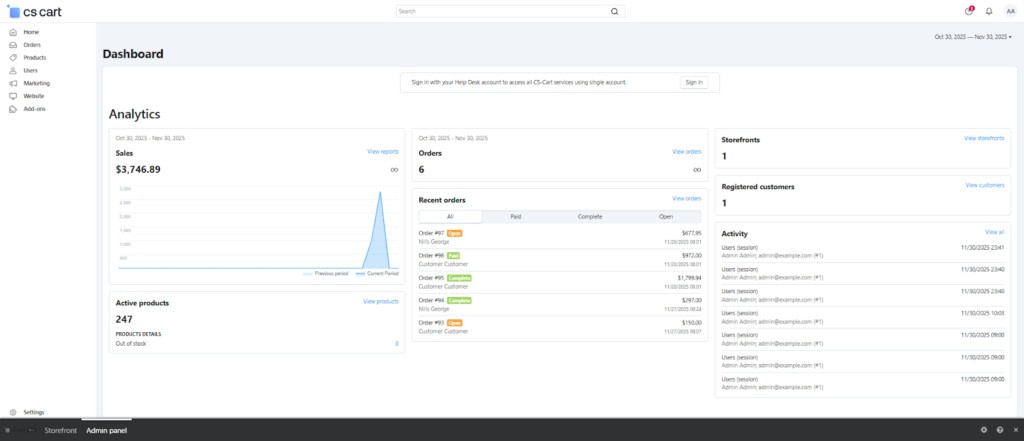
The platform provides:
- vendor accounts and product catalogs
- pricing and inventory management
- checkout and order workflows
- integrated payment gateways
- storefront and role-based permissions
This eliminates the need to rebuild the fundamentals of eCommerce and lets us focus on extending the business model.
2. Custom Group Buying Engine
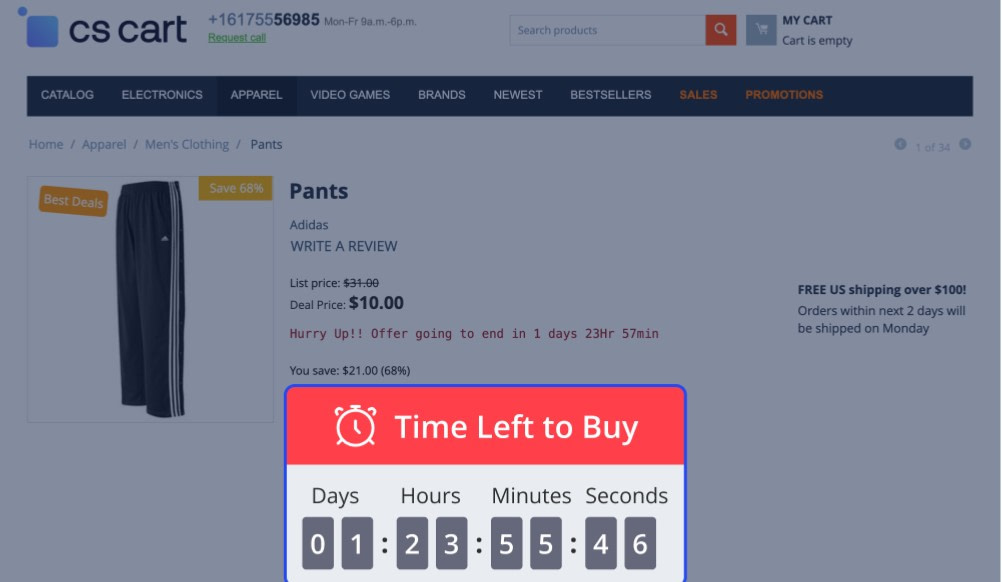
We build a dedicated “deal logic” layer that manages:
- creation of group deals and public groups users can join
- participant and threshold tracking
- dynamic pricing rules (tiered, threshold-based, volume discounts)
- countdowns, activation rules, and deal expiration
- sharing mechanics that encourage viral growth
- supplier capacity verification and stock checks
This engine becomes the heart of the group buying experience, driving state transitions, notifications, and pricing behavior.
3. Inventory Sync & Multi-Supplier Routing
Group purchases often exceed the capacity of a single seller. We design routing logic that:
- aggregates stock across multiple vendors
- distributes orders when a deal surpasses one supplier’s limits
- triggers automated purchase orders
- ensures that deals cannot activate if inventory is insufficient
This prevents overselling and provides operational stability for high-volume events.
4. Conditional Payments & Multi-Vendor Settlement
Group buying requires conditional transaction flows. We integrate:
- split or distributed payments (e.g., Stripe Connect, PayPal Complete Payments, regional gateways)
- holding funds until the threshold is reached
- automatic commission calculation on successful deals
- refunds for deals that do not activate
This ensures financial transparency for both buyers and vendors.
5. Group Buying UX Layer
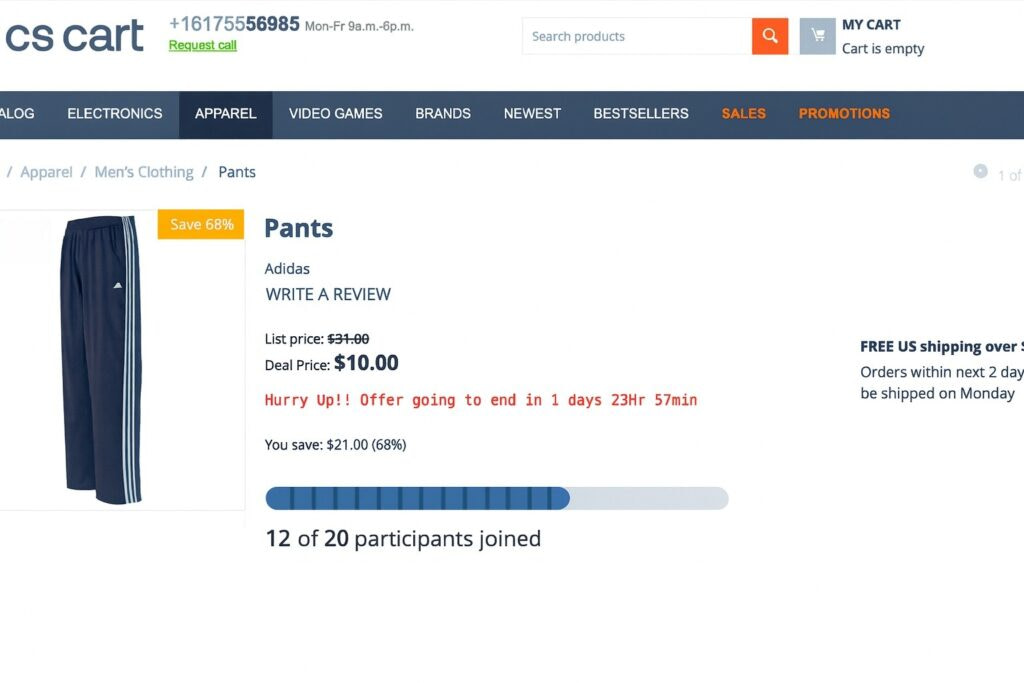
A successful group buying UX must feel collaborative and dynamic. We design:
- progress bars (“12 of 20 participants joined”)
- countdown timers
- public group listings showing deals currently forming
- dashboards for group initiators
- social sharing prompts
- simplified vendor interfaces for launching new group deals
This UX is inspired by patterns used in existing CS-Cart marketplaces that run group purchase models.
6. Analytics & Administrative Tools
To manage and optimize group deals, platform operators need visibility into performance.
We build:
- dashboards showing deal activity and conversion
- supplier capacity analytics
- participant funnels and cohort insights
- procurement metrics for B2B buying groups
These tools help refine pricing, scheduling, and vendor strategies.
Advanced Features for B2B Buying Groups and GPO Models
Group purchasing in B2B operates more like procurement than commerce. Simtech Development develops specialized tools such as:
1. Contract-Based & Tiered Pricing
- negotiated supplier contracts
- volume commitments
- region-specific pricing levels
2. Approval & Compliance Workflows
- requester → approver → procurement sequences
- audit logs
- ERP integration
3. Consolidated Invoicing & Credit Terms
- master invoices for entire buying groups
- net payment terms
- VAT/tax distribution
4. Supplier Performance Management
- SLA tracking
- automated supplier substitution
- capacity planning tools
5. Multi-Warehouse & Logistics Routing
- rules based on region, stock, or contract terms
- integration with carriers and delivery orchestration systems
6. Enterprise Integrations
Including SAP, Oracle, Dynamics, WMS/IMS systems, Procurement and EDI platforms. This elevates CS-Cart into a full procurement ecosystem for organizations that purchase collectively.
How Simtech Development Delivers: MVP to Scale
We follow a predictable and transparent development lifecycle designed specifically for complex marketplaces.
1. Discovery & Requirements Definition
- defining user flows (buyers, initiators, vendors, procurement teams)
- validating business and monetization models
- identifying MVP vs. later-stage features
- assessing required integrations
Deliverables include: functional specification, wireframes, architecture, and phased estimates.
Learn more from:
- Discovery Session: The Key to eCommerce Project Success
- How to Write a Software Requirement Specification to Save Costs?
2. MVP Development
We focus on the pieces required to validate demand:
- group deal creation & joining
- threshold and dynamic pricing logic
- deal activation & cancellation flows
- inventory synchronization
- vendor onboarding
- interactive UX elements for progress and sharing
The MVP allows the platform to launch quickly and test traction.
Get more insights from: What is MVP: Launching a Minimum Viable Product with a Minimum of Costs
3. Testing & Launch
- performance and load testing for group events
- functional QA
- data migration as needed
- soft launch with pilot vendors
- optimized hosting setup (frequently Scalesta or client cloud)
Read more: End-to-End Testing Guide | Definition, Benefits, and Best Practices
4. Scaling & Continuous Evolution
After the MVP gains traction, we extend:
- financial automation (commissions, invoicing, credit terms)
- B2B procurement workflows
- analytics and reporting layers
- mobile applications
- internationalization (multi-region, multi-currency)
- vendor tools and automation
Our long-term support model ensures stable growth without breaking underlying workflows.
Conclusion
Group buying has evolved from simple deal-of-the-day websites into sophisticated ecosystems that combine marketplace mechanics, social commerce, and enterprise procurement. Whether aimed at consumers, communities, or B2B organizations, the model thrives on demand aggregation, automation, and the power of collective buying.
With CS-Cart’s open architecture and Simtech Development expertise in building custom deal engines, multivendor routing, procurement workflows, and scalable infrastructure, businesses can launch group buying platforms that start small and grow into robust procurement networks.
The right foundation allows you to validate the model quickly, onboard reliable suppliers, introduce advanced automation as the platform grows, and eventually operate as a full-scale marketplace or B2B buying group.